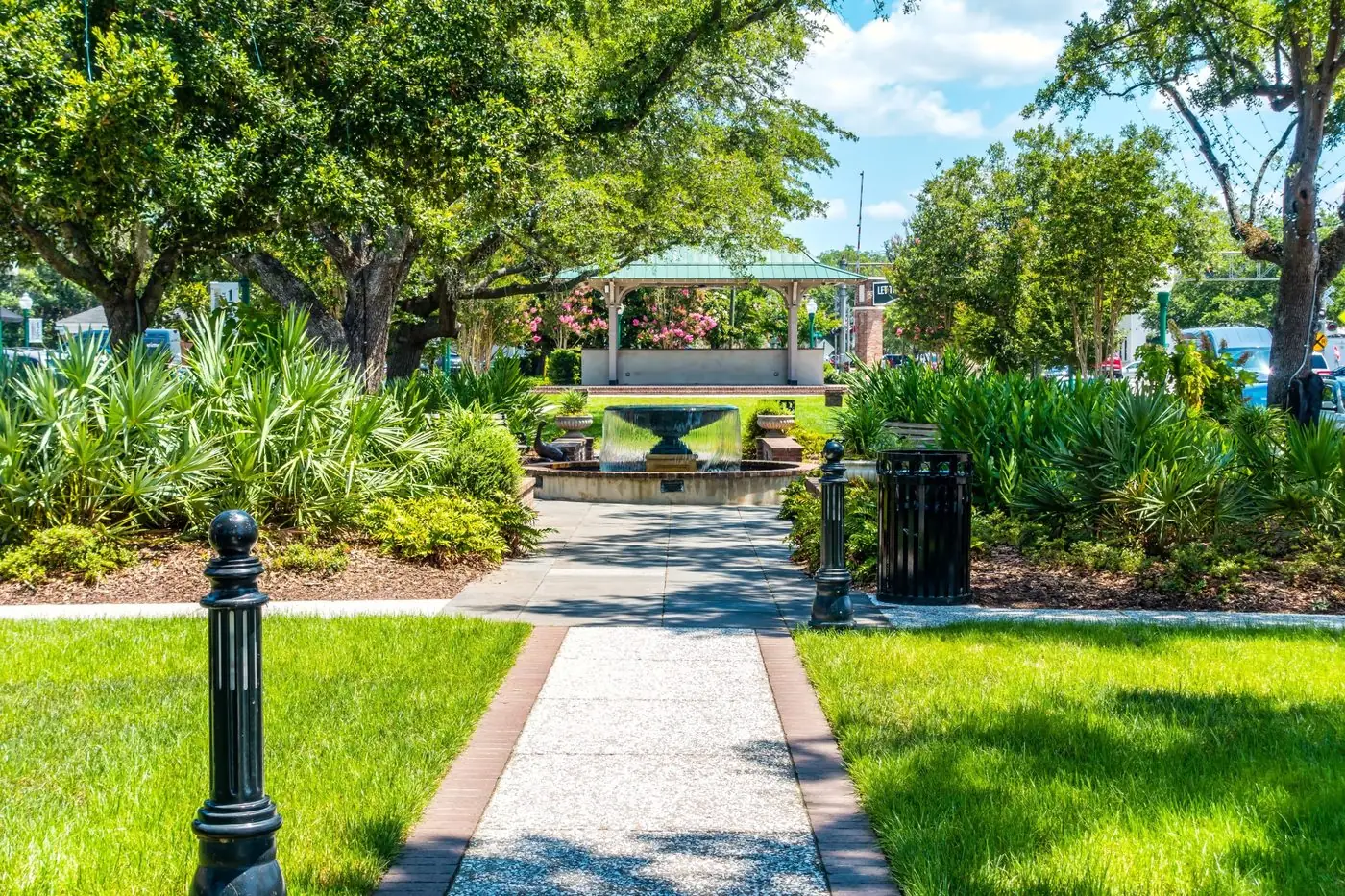
What to Do After a Car Accident in Summerville
Your treatment comes before anything else. If you are in the hospital, a spouse, parent or friend can take care of most of this list.
- Call 911 and let EMS decide where you go. After that, keep every appointment with your doctors and therapists, and save the paperwork.
- Get the report number. Summerville spans three counties, so the officer may have been with the town, a sheriff's office or the Highway Patrol. Whoever it was can tell a family member how to request a copy.
- Get photos. Photograph your injuries now and as they heal. Someone can also photograph the vehicles, the intersection, the turn lanes and any shopping-center driveway involved.
- Write down names. Get the other driver's name, insurer and policy number, and the names and numbers of anyone who stopped.
- Save the paper trail. Hospital bills, missed-work records, pharmacy receipts and adjuster letters belong together in a box or a folder on your phone.
- Hold off on signing releases or recorded statements until your questions are answered. A lawyer can go over them with you.
Wrecks Around Summerville
A left turn across North Main Street traffic, a rear-end crash in the I-26 backup toward Charleston, a side-impact at a Dorchester Road light, a collision near Five Points downtown: each one raises its own questions. Growth in Nexton and Cane Bay has added new roads, construction traffic and school car lines to the mix.
Filing Deadlines
South Carolina gives most injured people three years to file.1 That limit applies to a lawsuit in court, and talking with an adjuster does not stop it.2
If the other vehicle was a town truck, a county car or a state vehicle, other rules may come in. When a government employee was driving on the job, the claim generally runs against the agency, not the driver, with some exceptions.4 Suits under the Tort Claims Act generally must be filed within two years, though a qualifying verified claim may stretch that to three years.5 Damage caps may also apply.3 Read more about crashes with government vehicles and how long you have to file.
Want someone to look at your situation?
Talk with our team about what happened and ask the questions on your mind.
What You May Be Able to Recover
Depending on the facts, an injured person may be able to seek medical costs, lost pay, lost earning ability, pain and suffering and other losses. What is available depends on the evidence, the injuries, the insurance involved and South Carolina law, and no result can be promised.6 For the full statewide picture, see South Carolina car accident law.
Talk With Us About Your Summerville Wreck
We start by listening: how the crash happened, how you are healing and what is weighing on you. If you hire us, the insurers can usually deal with us. We go over your options, and the choices stay yours.
Our office is on King Street in downtown Charleston. We take cases across South Carolina, including Summerville. If a tractor-trailer or work truck was involved, read about truck crashes around Summerville.
Give us the road, the basics of the wreck and what the adjuster has told you, and we can go through it together.
South Carolina Law on This
- Most personal injury claims in South Carolina must be filed within three years.1
- South Carolina's statute of limitations generally sets the deadline for filing a lawsuit in court. Simply opening a claim with an insurance company or negotiating with an insurance adjuster does not stop the statute of limitations from running.2
- Claims against a South Carolina state or local government agency have their own filing deadline, which can be shorter, and there could be caps on damages under the South Carolina Tort Claims Act, depending on the facts of the case.3
- Under the South Carolina Tort Claims Act, claims over a government employee's on-the-job conduct generally go against the agency, not the employee, unless the employee acted outside their duties or with actual malice, intent to harm, fraud, or certain crimes.4
- Lawsuits under the South Carolina Tort Claims Act generally must be filed within two years after the loss was or should have been discovered. A three-year deadline may apply if a qualifying verified claim was first filed under the Act.5
- Depending on the circumstances, a person injured in a crash may be able to seek compensation for medical expenses, future treatment, lost income, reduced earning capacity, pain and suffering, and other losses recognized by South Carolina law. The amount and types of compensation available depend on the evidence, the injuries, the available insurance coverage and South Carolina law. No particular recovery can be promised.6
- Under S.C. Code § 38-77-170, an uninsured motorist claim involving an unidentified driver may qualify when there was physical contact, qualifying independent-witness evidence, or a recording showing that the unknown vehicle caused the injury or damage. The accident must also be reported to an appropriate police authority within a reasonable time, and the claimant must not have been negligent in failing to identify the vehicle and driver. The recording alternative was added effective May 20, 2024.7
- Under South Carolina's modified comparative negligence rule, you can generally recover damages if your share of fault is not greater than the fault of the defendant or defendants. In a typical two-driver accident, that means you can recover if you are 50% or less at fault, which is often described as less than 51%. Your damages are generally reduced by your percentage of fault. If your fault is greater, recovery is generally barred under this rule.8
- A potential injury claim generally depends on whether another party was negligent, whether that negligence caused the injuries, and what losses resulted.9
Frequently Asked Questions
Do I have to come to the King Street office?
No. The first conversation can happen by phone. Our office is on King Street in downtown Charleston. If getting downtown is hard, we can come to you, at the hospital, at your home or wherever works best.
The driver who hit me on North Main Street drove off. Can I still make a claim?
You may. Uninsured motorist coverage can apply after a hit-and-run, but a claim over an unknown driver comes with special requirements, such as a timely police report.7 Write down what you remember about the car, and hold on to any photos or video. A lawyer can review your coverage with you and sort out what proof the claim may call for.
What if the other driver says I was partly to blame?
You may still recover something. Under South Carolina's modified comparative negligence rule, your award is generally cut by your share of fault, and with a single defendant you usually cannot recover if your share is more than 50%.8 A lawyer can look at the evidence and tell you how that rule may apply.
How do I know whether I have a case?
It generally turns on whether someone else was negligent, whether that caused your injuries, and what losses followed.9 Your treatment records, the officer's report, scene photos and anyone who saw the wreck are how those points get sorted out.
What should I have ready for the first call?
Bring what is easy to find: the report number, photos, the other driver's insurance card, your own auto policy, hospital bills and any letters from an adjuster. Don't hold off on calling because something is missing; records can be requested afterward.
Sources
- S.C. Code § 15-3-530
- S.C. Code §§ 15-3-20 and 15-3-530
- S.C. Code §§ 15-78-110 and 15-78-120
- S.C. Code §§ 15-78-20(b) and 15-78-70
- S.C. Code §§ 15-78-80 and 15-78-110
- S.C. Code §§ 15-32-210 et seq. (punitive damages); South Carolina tort decisions on compensatory damages
- S.C. Code § 38-77-170, as amended by 2024 Act No. 180 (H.4869), § 7 (effective May 20, 2024)
- Nelson v. Concrete Supply Co., 303 S.C. 243, 399 S.E.2d 783 (1991); S.C. Code § 15-38-15
- Elements of negligence under South Carolina law, as stated in Sean Hall's Nov 5 review notes
This page is general information about South Carolina law, not legal advice for your situation. Every case depends on its own facts.